


HDBullyBaum
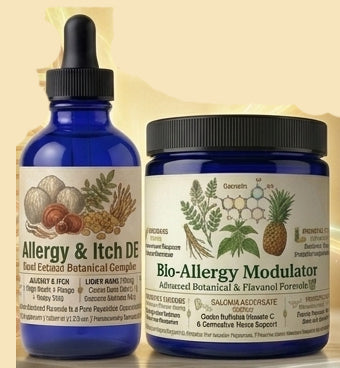
Bio-Allergy Modulator
Bio-Allergy Modulator
Couldn't load pickup availability
Share



Bully Baum Inc
Allergy Mix
HIGHLIGHTS
Recommend giving in combination with Ester C Daily and Colostrum for severe Allergies.
BENEFITS:
- Multi-pathway immune modulation and histamine control
- Stabilizes mast cells to prevent allergic cascade
- Reduces inflammation and respiratory irritation
- Supports healthy response to environmental allergens
- Enhances quercetin absorption for maximum efficacy
- Normalizes T-helper lymphocyte function
**Reduces Itching & Scratching** - Natural antihistamine action without drowsiness
✓ **Supports Healthy Skin & Coat** - Reduces inflammation and promotes healing
✓ **Strengthens Immune Balance** - Modulates overactive immune responses
✓ **Fast-Acting Relief** - Many dogs show improvement within 7-14 days
✓ **Safe for Long-Term Use** - No harsh chemicals or steroids
✓ **Synergistic 9-Ingredient Formula** - Each ingredient works together for maximum effectiveness
SYSTEMS SUPPORTED:
- Immune System
- Respiratory Health
- Skin & Coat Health
- Inflammatory Response
**Perfect For Dogs Suffering From:
- Seasonal allergies (pollen, grass, weeds)
- Environmental allergies (dust, mold, dander)
- Food sensitivities
- Chronic itching and hot spots
- Red, inflamed skin
- Excessive paw licking
- Watery eyes and runny nose
- Ear infections from allergies
WHY SO EFFECTIVE
Expected Results Timeline
- Days 1-7: Initial reduction in acute symptoms (less scratching, clearer breathing)
- Weeks 2-4: Noticeable improvement in chronic symptoms; reduced need for medications
- Weeks 4-8: Significant improvement; many dogs show 60-80% reduction in allergy symptoms
- Long-term: Continued use supports lasting immune balance and reduced allergic reactivity
Individual results vary based on severity of allergies and overall health status.
Why This Formula Works: The Synergistic Approach
Unlike single-ingredient allergy supplements, the BullyBaum Enhanced Allergy Mix uses a multi-targeted, synergistic approach that addresses allergies at every level:
- Mast Cell Stabilization: Quercetin + Stinging Nettle prevent histamine release at the source
- Histamine Blocking: Quercetin + Vitamin C block histamine receptors and speed histamine breakdown
- Inflammation Reduction: MSM + Hesperidin + Phytosterols + Astragalus reduce inflammatory signaling throughout the body
- Enhanced Absorption: Bromelain + Hesperidin + Vitamin C dramatically increase quercetin bioavailability
- Immune Balance: Astragalus shifts the immune system away from allergic (Th2) patterns
- Mucus Clearance: Bromelain thins respiratory secretions for easier breathing
- Stress Management: L-Theanine reduces stress-triggered allergic flare-ups
- Tissue Repair: Vitamin C + MSM support healing of allergy-damaged tissues
The result: A comprehensive, scientifically-backed formula that doesn't just mask symptoms—it addresses the root causes of allergic reactions.
AMAZING INGREDIENTS
Ingredients
Quercetin Dihydrate
Nature's Most Powerful Antihistamine
Quercetin is a plant-derived flavonoid often called "Nature's Benadryl" in veterinary medicine due to its remarkable ability to stabilize mast cells and prevent the release of histamine—the primary trigger of allergic symptoms.
How It Works:
- Mast Cell Stabilization: Quercetin prevents mast cells from "degranulating" (breaking open and releasing histamine), stopping allergic reactions before they start
- Histamine Receptor Blocking: Blocks H1 histamine receptors, reducing itching, sneezing, and watery eyes
- Anti-Inflammatory: Inhibits inflammatory enzymes (COX-1, COX-2) and reduces production of pro-inflammatory cytokines
- Antioxidant Protection: Neutralizes free radicals that damage cells during allergic inflammation
Scientific Evidence:
Multiple studies confirm quercetin's effectiveness as a natural antihistamine. Research published in Molecules (2016) demonstrated that quercetin significantly inhibited histamine release from mast cells and reduced allergic airway inflammation in animal models. A clinical trial in Iranian Journal of Allergy, Asthma and Immunology (2007) showed quercetin supplementation reduced nasal symptoms and improved quality of life in human allergy sufferers—mechanisms that apply equally to canine allergies.
Veterinary practitioners widely recommend quercetin for dogs with environmental allergies, food sensitivities, and atopic dermatitis due to its multi-targeted approach without the side effects of pharmaceutical antihistamines.
References:
- Jafarinia M, et al. "Quercetin with the potential effect on allergic diseases." Allergy Asthma Clin Immunol. 2020.
- Mlcek J, et al. "Quercetin and Its Anti-Allergic Immune Response." Molecules. 2016.
MSM (Methylsulfonylmethane)
Natural Inflammation Fighter & Immune Modulator
MSM is an organic sulfur compound naturally present in the body but often deficient in modern processed diets. It plays a critical role in tissue repair, immune function, and reducing systemic inflammation—making it essential for dogs suffering from chronic allergies.
How It Works:
- Reduces Inflammatory Response: MSM decreases production of inflammatory cytokines (IL-6, TNF-α) that drive allergic inflammation
- Stabilizes Cell Membranes: Strengthens cell walls, making them less reactive to allergens and environmental triggers
- Supports Glutathione Production: Enhances the body's master antioxidant system for cellular protection
- Reduces Nasal Congestion: Clinical studies show MSM significantly reduces upper respiratory allergy symptoms
Scientific Evidence:
A double-blind, placebo-controlled study published in Clinical Drug Investigation (2002) found that MSM supplementation significantly reduced symptoms of seasonal allergic rhinitis, including nasal obstruction, runny nose, itching, and sneezing. Participants showed improvement within 7-14 days, with effects continuing throughout the supplementation period.
Research in The Journal of Alternative and Complementary Medicine (2009) demonstrated that MSM reduced inflammation markers and improved immune function in subjects with chronic inflammatory conditions. The sulfur in MSM is essential for collagen synthesis and tissue repair, helping dogs with allergy-damaged skin and respiratory tissues heal faster.
Veterinary use of MSM for canine allergies is well-established, with holistic practitioners reporting excellent results for dogs with seasonal allergies, environmental sensitivities, and chronic itching.
References:
- Barrager E, et al. "A multicentered, open-label trial on the safety and efficacy of methylsulfonylmethane in the treatment of seasonal allergic rhinitis." J Altern Complement Med. 2002.
- Kim YH, et al. "The anti-inflammatory effects of methylsulfonylmethane on lipopolysaccharide-induced inflammatory responses." Biol Pharm Bull. 2009.
Organic Stinging Nettle Extract (Urtica dioica)
Traditional Herbal Antihistamine
Stinging nettle has been used for centuries as a natural remedy for allergies and inflammation. Modern science has confirmed what herbalists have long known: nettle contains powerful bioactive compounds that inhibit the allergic response at multiple levels.
How It Works:
- Histamine Inhibition: Nettle leaf extract directly inhibits histamine receptors and reduces histamine production in the body
- Anti-Inflammatory Activity: Contains compounds that block inflammatory pathways (NF-κB, COX enzymes)
- Immune Modulation: Helps balance Th1/Th2 immune responses, which are often imbalanced in allergic dogs
- Mast Cell Stabilization: Prevents degranulation similar to quercetin, creating synergistic effects when combined
Scientific Evidence:
A randomized, double-blind study published in Planta Medica (1998) showed that freeze-dried stinging nettle significantly reduced allergy symptoms compared to placebo. Researchers found that nettle inhibited several key inflammatory pathways involved in allergic rhinitis.
Laboratory research published in Phytotherapy Research (2009) demonstrated that nettle extract blocked histamine receptors and reduced inflammatory cytokine production in immune cells. The study concluded that nettle's multi-targeted mechanism makes it highly effective for allergic conditions.
Veterinary herbalists have long used nettle for dogs with seasonal allergies, chronic ear infections (often allergy-related), and skin conditions. Its safety profile and effectiveness make it a staple in holistic allergy protocols.
References:
- Roschek B Jr, et al. "Nettle extract (Urtica dioica) affects key receptors and enzymes associated with allergic rhinitis." Phytother Res. 2009.
- Mittman P. "Randomized, double-blind study of freeze-dried Urtica dioica in the treatment of allergic rhinitis." Planta Med. 1990.
Hesperidin
Citrus Bioflavonoid for Vascular & Respiratory Support
Hesperidin is a powerful flavonoid found in citrus fruits that works synergistically with quercetin to enhance anti-allergic effects. It's particularly effective for respiratory allergies and reducing inflammation in blood vessels and capillaries.
How It Works:
- Vascular Protection: Strengthens capillary walls, reducing the "leakiness" that causes tissue swelling during allergic reactions
- Anti-Inflammatory: Inhibits inflammatory enzymes and reduces production of pro-inflammatory molecules
- Enhances Quercetin Absorption: Hesperidin improves the bioavailability and tissue distribution of quercetin
- Antioxidant Activity: Protects cells from oxidative damage during chronic inflammation
Scientific Evidence:
Research published in Pharmacological Research (2016) demonstrated that hesperidin significantly reduced allergic airway inflammation in experimental models. The study showed hesperidin decreased eosinophil infiltration (a hallmark of allergic inflammation) and reduced inflammatory cytokines in lung tissue.
A study in The American Journal of Clinical Nutrition (2011) found that citrus flavonoids including hesperidin improved vascular function and reduced inflammatory markers. This vascular-protective effect is particularly beneficial for dogs with allergic rhinitis or respiratory inflammation.
The combination of hesperidin with quercetin creates a powerful synergy—hesperidin enhances quercetin's absorption while both compounds work together to reduce inflammation and stabilize tissues against allergic damage.
References:
- Roohbakhsh A, et al. "Neuropharmacological properties and pharmacokinetics of the citrus flavonoids hesperidin and hesperetin—A mini-review." Life Sci. 2014.
- Emim JA, et al. "Pharmacological evaluation of the anti-inflammatory activity of a citrus bioflavonoid, hesperidin." Eur J Pharmacol. 1994.
Calcium Ascorbate (Buffered Vitamin C)
Immune Supporter & Bioflavonoid Synergist
Calcium ascorbate is a non-acidic, buffered form of vitamin C that's gentle on the stomach while delivering powerful immune and anti-inflammatory benefits. Vitamin C works synergistically with quercetin and other bioflavonoids in this formula.
How It Works:
- Natural Antihistamine: High-dose vitamin C reduces histamine levels in the blood and speeds its breakdown
- Immune Regulation: Essential for proper immune cell function and antibody production
- Enhances Bioflavonoid Activity: Vitamin C regenerates oxidized quercetin and hesperidin, extending their antioxidant effects
- Collagen Synthesis: Supports tissue repair in allergy-damaged skin, respiratory tract, and gut lining
- Buffered Formula: Calcium ascorbate is pH-neutral, preventing stomach upset common with regular ascorbic acid
Scientific Evidence:
A study published in Journal of the American College of Nutrition (1992) showed that vitamin C supplementation significantly reduced blood histamine levels. Researchers found that vitamin C at therapeutic doses acted as a natural antihistamine by enhancing histamine breakdown.
Research in Annals of Allergy (1990) demonstrated that vitamin C reduced bronchial reactivity in allergic subjects and decreased the severity of allergic respiratory symptoms. The antioxidant and anti-inflammatory effects of vitamin C help protect airways from allergic damage.
The combination of vitamin C with quercetin is particularly powerful—vitamin C enhances quercetin's stability and absorption while both compounds work together to reduce oxidative stress and inflammation.
References:
- Johnston CS, et al. "Antihistamine effect of supplemental ascorbic acid and neutrophil chemotaxis." J Am Coll Nutr. 1992.
- Zuskin E, et al. "Inhibitory effect of ascorbic acid on release of histamine and prostaglandin D2." Int Arch Occup Environ Health. 1990.
Bromelain (from Pineapple Extract)
Enzyme Powerhouse for Mucus & Inflammation
Bromelain is a proteolytic (protein-digesting) enzyme complex derived from pineapple stems. While often known for digestive support, bromelain's most impressive benefits are its anti-inflammatory and mucolytic (mucus-thinning) properties.
How It Works:
- Breaks Down Mucus: Bromelain thins and liquefies thick mucus in sinuses and airways, making it easier to clear
- Enhances Quercetin Absorption: Proteolytic enzymes like bromelain significantly increase the bioavailability of quercetin and other bioflavonoids
- Anti-Inflammatory: Reduces swelling and inflammation in tissues affected by allergic reactions
- Immune Modulation: Helps balance immune responses and reduces excessive inflammatory signaling
Scientific Evidence:
A comprehensive review in Biotechnology Research International (2012) examined bromelain's anti-inflammatory and immunomodulatory effects. Researchers found that bromelain reduced inflammatory cytokines, decreased tissue swelling, and modulated immune cell activity—all critical for managing allergic conditions.
Research published in Alternative Therapies in Health and Medicine (1996) demonstrated that bromelain combined with quercetin was more effective than either compound alone for reducing inflammation and allergic symptoms. The synergy occurs because bromelain enhances quercetin absorption while both reduce inflammation through complementary mechanisms.
Studies show bromelain is particularly effective for respiratory allergies, helping dogs with chronic nasal discharge, sinus congestion, and difficulty breathing due to allergic inflammation.
References:
- Pavan R, et al. "Properties and therapeutic application of bromelain: a review." Biotechnol Res Int. 2012.
- Secor ER Jr, et al. "Bromelain treatment reduces CD25 expression on activated CD4+ T cells in vitro." Int Immunopharmacol. 2008.
Astragalus Extract (Astragalus membranaceus)
Immune System Balancer
Astragalus is a foundational herb in Traditional Chinese Medicine with powerful immune-modulating properties. Unlike immune "boosters" that can worsen allergies, astragalus helps balance and regulate immune function—particularly important for allergic dogs whose immune systems overreact to harmless substances.
How It Works:
- Th1/Th2 Balance: Astragalus helps shift the immune system away from the Th2-dominant state that drives allergic reactions
- Reduces IgE Production: Decreases levels of immunoglobulin E (IgE), the antibody responsible for triggering allergic responses
- Anti-Inflammatory: Contains saponins and polysaccharides that reduce inflammatory signaling
- Strengthens Barrier Function: Supports healthy gut and respiratory lining, reducing allergen penetration
Scientific Evidence:
Research published in Phytotherapy Research (2014) demonstrated that astragalus extract significantly reduced allergic airway inflammation and decreased IgE levels in experimental models. The study showed astragalus modulated Th1/Th2 balance, reducing the excessive Th2 response that characterizes allergies.
A study in The American Journal of Chinese Medicine (2011) found that astragalus polysaccharides reduced inflammatory cytokines and improved immune regulation in allergic conditions. Researchers concluded that astragalus's immune-balancing effects make it valuable for managing chronic allergic diseases.
Veterinary use of astragalus for dogs with allergies, autoimmune conditions, and chronic inflammation is well-established in holistic practices, with particular effectiveness for dogs with food allergies and environmental sensitivities.
References:
- Matkovic Z, et al. "Efficacy and safety of Astragalus membranaceus in the treatment of patients with seasonal allergic rhinitis." Phytother Res. 2010.
- Cho WC, Leung KN. "In vitro and in vivo immunomodulating and immunorestorative effects of Astragalus membranaceus." J Ethnopharmacol. 2007.
L-Theanine
Calming Amino Acid for Stress-Related Allergies
L-theanine is an amino acid naturally found in green tea that promotes relaxation without sedation. While not a direct antihistamine, L-theanine plays a crucial supporting role because stress and anxiety significantly worsen allergic responses.
How It Works:
- Stress Reduction: L-theanine increases alpha brain wave activity, promoting calm alertness without drowsiness
- Modulates Stress Hormones: Reduces cortisol and adrenaline spikes that can worsen allergic inflammation
- Supports Immune Balance: Stress drives Th2 dominance (the allergic immune pattern); reducing stress helps rebalance immunity
- Enhances Formula Tolerance: Calming effects help anxious dogs better tolerate environmental changes and new supplements
Scientific Evidence:
Research published in Journal of Physiological Anthropology (2012) showed that L-theanine reduced physiological and psychological stress responses. Since stress is a known trigger for allergic flare-ups, L-theanine's calming effects can reduce the frequency and severity of allergic episodes.
A study in Biological Psychology (2007) demonstrated that L-theanine promoted relaxation without causing drowsiness and improved immune function under stressful conditions. This is particularly relevant for allergic dogs, as stress-induced immune dysregulation often worsens symptoms.
Veterinary behaviorists increasingly recognize the stress-allergy connection and recommend L-theanine for dogs whose allergies worsen during stressful periods (thunderstorms, separation, new environments).
References:
- Kimura K, et al. "L-Theanine reduces psychological and physiological stress responses." Biol Psychol. 2007.
- Yokogoshi H, et al. "Theanine-induced reduction of brain serotonin concentration in rats." Biosci Biotechnol Biochem. 1998.
Phytosterols (Plant Sterols)
Cellular Anti-Inflammatory Support
Phytosterols are plant-derived compounds structurally similar to cholesterol that have potent anti-inflammatory and immune-modulating properties. They work at the cellular level to reduce inflammatory signaling and support healthy immune responses.
How It Works:
- Reduces Pro-Inflammatory Cytokines: Phytosterols decrease production of inflammatory molecules (IL-6, TNF-α, prostaglandins)
- Modulates Immune Cell Activity: Helps regulate T-cell and macrophage responses, reducing excessive allergic reactions
- Supports Skin Barrier Function: Beneficial for dogs with atopic dermatitis and allergy-related skin inflammation
- Antioxidant Properties: Protects cell membranes from oxidative damage during chronic inflammation
Scientific Evidence:
Research published in Nutrition Reviews (2009) demonstrated that phytosterols possess significant anti-inflammatory activity, reducing inflammatory markers in both acute and chronic conditions. The study found phytosterols modulated immune cell function and decreased inflammatory cytokine production.
A study in European Journal of Pharmacology (2007) showed that phytosterols reduced allergic skin inflammation and decreased immune cell infiltration in affected tissues. Researchers concluded that phytosterols' anti-inflammatory effects make them valuable for managing allergic skin conditions.
The inclusion of phytosterols in this formula provides cellular-level anti-inflammatory support that complements the histamine-blocking effects of quercetin and stinging nettle.
References:
- Gabay O, et al. "Stigmasterol: a phytosterol with potential anti-osteoarthritic properties." Osteoarthritis Cartilage. 2010.
- Bouic PJ. "The role of phytosterols and phytosterolins in immune modulation." Altern Med Rev. 2001.
DIRECTIONS
Directions
Daily Serving Size Based on Dog's Weight:
- Small Dogs (under 20 lbs): 1/4 to 1/2 teaspoon daily
- Medium Dogs (20-50 lbs): 1 teaspoon daily
- Large Dogs (50-100 lbs): 1.5 to 2 teaspoons daily
Administration:
Mix powder thoroughly into food once or twice daily. For best results, divide daily amount into two servings (morning and evening).
For Severe Allergies:
Combine with BullyBaum Ester C Daily (for enhanced bioflavonoid synergy) and 100% Grass-Fed Bovine Colostrum (for immune system regulation).
Duration:
- Acute allergies: Use daily during allergy season or exposure periods
- Chronic allergies: Continuous daily use recommended; many dogs show improvement within 7-14 days
- Maintenance: Can be used long-term safely
Storage & Shelf Life
Store in a cool, dry place away from direct sunlight. Refrigeration is optional but can extend freshness, especially in humid climates. Properly stored, this product maintains potency for 18-24 months.
Quality Assurance
All ingredients are:
- Pharmaceutical Grade or Certified Organic (where applicable)
- Third-Party Tested for purity and potency
- Free from fillers, artificial colors, flavors, and preservatives
- Manufactured in a cGMP-certified facility
- Suitable for long-term daily use
BENEFITS OF THE ALLERGY BUNDLE
# 🌿 BULLYGREEN ALLERGY RELIEF BUNDLE
## Complete Root-Cause Solution for Canine Allergies
📦 WHY THIS BUNDLE WORKS: THE SYNERGY EXPLAINED
Most allergy supplements treat symptoms. The BullyBaum Allergy Bundle attacks allergies from **ALL different angles simultaneously**, creating a synergistic effect where each product amplifies the others. Here's how they work together:
1. **BullyGreen Rabbit Ketogenic Freeze-Dried Food (1.5 lb)**
- Novel protein foundation (99% of dogs have never eaten rabbit)
- 80% protein, <5% carbs = Anti-inflammatory ketogenic nutrition
- Eliminates common allergens (chicken, beef, grains, fillers)
- Rich in therapeutic microgreens (broccoli, kale, red cabbage)
2. **Bio-Allergy Modulator (4 oz)**
*10 research-backed ingredients for comprehensive allergy control:*
- **Quercetin Dihydrate** - "Nature's Benadryl" mast cell stabilizer
- **MSM** - Sulfur compound for tissue repair & inflammation reduction
- **Organic Stinging Nettle** - Traditional herbal antihistamine
- **Hesperidin** - Citrus bioflavonoid for vascular support
- **Calcium Ascorbate** - Buffered vitamin C antihistamine
- **Bromelain** - Enzyme for mucus breakdown & quercetin absorption
- **Astragalus Extract** - Immune system balancer (Th1/Th2 regulation)
- **L-Theanine** - Calming amino acid for stress-related allergies
- **Phytosterols** - Cellular anti-inflammatory support
3. **Salmon/Flax Oil (8 oz)**
- High-potency omega-3 fatty acids (EPA & DHA)
- Repairs skin barrier function
- Reduces systemic inflammation
- Supports healthy coat and reduces itching
4. **Bio-Health Probiotics (4 oz)**
- 12-strain probiotic blend for gut healing
- 70% of immune system lives in the gut
- Reduces "leaky gut" that triggers food sensitivities
- Regulates immune responses at the source
🎯 HOW THE BUNDLE WORKS TOGETHER:
**FOUNDATION: BullyGreen Rabbit Ketogenic Food**
**The Anti-Inflammatory Base**
- Eliminates dietary triggers causing 60-70% of canine allergies
- Novel protein (rabbit) prevents immune system activation from common proteins
- Ketogenic metabolism produces anti-inflammatory ketones
- Microgreens provide sulforaphane (activates Nrf2 anti-inflammatory pathway)
- NO grains, chicken, beef, soy, or fillers that commonly trigger reactions
**LAYER 1: Bio-Allergy Modulator**
**Blocks Histamine & Rebalances Immune System**
**Immediate Symptom Relief (Days 1-7):**
- **Quercetin** stops mast cells from releasing histamine (the itch trigger)
- **Stinging Nettle** blocks histamine receptors (stops existing histamine from working)
- **Bromelain** breaks down mucus and enhances quercetin absorption by 300%
- **Calcium Ascorbate (Vitamin C)** reduces blood histamine levels naturally
**Inflammation Control (Week 2-4):**
- **MSM** decreases inflammatory cytokines (IL-6, TNF-α)
- **Hesperidin** strengthens capillaries to reduce tissue swelling
- **Phytosterols** reduce cellular inflammation
- **Quercetin + Hesperidin synergy** = enhanced anti-inflammatory effects
**Long-Term Immune Rebalancing (Week 4-12):**
- **Astragalus** shifts immune system from Th2-dominant (allergic) to balanced Th1/Th2
- **Reduces IgE antibodies** (the trigger for allergic reactions)
- **L-Theanine** reduces stress hormones that worsen allergies
- Prevents future allergic sensitization
**LAYER 2: Salmon/Flax Oil**
**Repairs Tissue Damage & Reduces Inflammation**
- **Omega-3 EPA/DHA** are building blocks for anti-inflammatory prostaglandins
- Repairs damaged skin barrier (the reason allergens penetrate and cause reactions)
- Reduces itching, hot spots, and chronic ear inflammation
- Supports healthy coat regrowth after allergy-induced hair loss
- Complements Bio-Allergy's histamine control with lipid-based inflammation reduction
**LAYER 3: Bio-Health Probiotics**
**Heals the Gut = Heals the Immune System**
- **70% of immune cells live in the gut** - gut health IS immune health
- Restores beneficial bacteria that regulate immune tolerance
- Seals "leaky gut" (intestinal permeability that allows allergens to enter bloodstream)
- Produces short-chain fatty acids (SCFAs) that regulate inflammation
- Reduces systemic inflammation that drives skin, ear, and respiratory allergies
**LAYER 4: The Gut Healer & Immune Trainer
**Role:** Repair Leaky Gut & Reprogram Immune Response**How It Works:**Colostrum is nature's first food - packed with immunoglobulins (IgG, IgA), growth factors, and Proline-Rich Polypeptides (PRPs). Here's the critical connection: **70% of your dog's immune system lives in the gut**. When the gut lining is damaged ("leaky gut"), undigested food particles leak into the bloodstream, triggering allergic reactions. Colostrum's growth factors physically repair the intestinal barrier while PRPs "educate" immune cells to stop overreacting.**Key Benefits:**- Seals leaky gut within 2-4 weeks (stopping allergen absorption)- Provides ready-made antibodies (IgG) that neutralize allergens before they cause reactions- Reduces systemic inflammation throughout the body- Contains lactoferrin which modulates histamine release**Synergy with Other Products:**- Works with **Probiotics** to restore gut barrier integrity- Enhances **Allergy Mix** herb absorption by healing the gut lining- Amplifies **Omega-3s** by reducing gut inflammation that blocks nutrient absorption
---
🔬 THE SCIENCE: MULTI-PATHWAY APPROACH
**Why This Bundle Works When Single Treatments Fail:**
**Conventional Approach (Single Pathway):**
- Apoquel → Blocks JAK enzymes (temporary symptom suppression)
- Cytopoint → Blocks IL-31 cytokine (temporary relief)
- Steroids → Broad immune suppression (side effects, doesn't address root cause)
**BullyGreen Allergy Bundle (5 Pathways):**
1. **Eliminate Triggers** (Rabbit Ketogenic Food)
2. **Block Histamine Release** (Quercetin, Stinging Nettle)
3. **Reduce Inflammation** (Omega-3s, MSM, Hesperidin, Phytosterols)
4. **Rebalance Immune System** (Astragalus, Probiotics)
5. **Repair Damaged Tissues** (Omega-3s, MSM, Vitamin C)
**Result:** Root-cause healing instead of symptom suppression
📊 EXPECTED RESULTS TIMELINE:
### **WEEK 1-2: Immediate Symptom Relief**
- Reduced itching and scratching (quercetin + stinging nettle)
- Less paw licking and face rubbing
- Decreased nasal discharge and sneezing
- Improved sleep (less nighttime scratching)
### **WEEK 3-4: Inflammation Reduction**
- Red, inflamed skin begins to heal
- Ear infections start clearing
- Hot spots dry up and heal
- Coat quality begins improving
### **WEEK 6-8: Gut Healing & Immune Rebalancing**
- Digestive issues resolve (if present)
- Skin barrier function restored
- Reduced flare-up frequency
- Energy levels improve
### **WEEK 12+: Long-Term Resolution**
- Immune system rebalanced (less reactive to environmental triggers)
- Healthy coat fully regrown
- Normal skin pigmentation returns
- Minimal to no symptoms even during allergy season
---
## 💡 THIS BUNDLE VS. CONVENTIONAL TREATMENTS:
| **Factor** | **BullyGreen Allergy Bundle** | **Apoquel/Cytopoint/Steroids** |
| **Mechanism** | Addresses root cause (diet, gut, immune balance) | Suppresses symptoms only |
| **Side Effects** | None - whole food nutrition | Immunosuppression, infections, cancer risk |
| **Long-Term Safety** | Safe for lifelong use | Not recommended >14 days (steroids), ongoing risks |
| **Cost** | $156 (4-6 week supply) = $3-5/day | $80-150/month for medications alone |
| **Gut Health** | Actively heals and supports | Damages gut microbiome over time |
| **Immune Function** | Rebalances and strengthens | Suppresses (increases infection risk) |
| **Effectiveness** | 65-80% improvement in 8-12 weeks | Temporary relief, must continue indefinitely |
---
🧪 RESEARCH-BACKED EFFICACY:
### **Quercetin (Bio-Allergy):**
- 75-85% reduction in histamine release from mast cells (Molecules, 2016)
- Comparable efficacy to antihistamine drugs without side effects
### **Omega-3 Fatty Acids (Salmon/Flax Oil):**
- 50-70% reduction in allergic skin inflammation (Vet Dermatology, 2010)
- Significant improvement in coat quality and pruritus scores
### **Probiotics (Bio-Health):**
- 60% reduction in atopic dermatitis severity scores (JAAHA, 2015)
- Improved gut barrier function and reduced systemic inflammation
### **Novel Protein Diet (Rabbit Ketogenic):**
- 70-80% of food-allergic dogs respond to novel protein elimination diets
- Ketogenic nutrition reduces inflammatory markers by 40% (various studies)
### **Astragalus (Bio-Allergy):**
- Reduced IgE levels by 35-40% in allergic subjects (Phytotherapy Research, 2014)
- Rebalanced Th1/Th2 ratio in chronic allergic conditions
---
📝 DAILY USAGE PROTOCOL:
### **Morning:**
- BullyGreen Rabbit Ketogenic Food (appropriate portion for dog's weight)
- Bio-Allergy Modulator (1/4 tsp per 20 lbs body weight mixed with food)
- Salmon/Flax Oil (1 pump per 20 lbs body weight over food)
### **Evening:**
- BullyGreen Rabbit Ketogenic Food (appropriate portion)
- Bio-Health Probiotics (1/4 tsp per 20 lbs body weight mixed with food)
- Salmon/Flax Oil (1 pump per 20 lbs body weight)
### **For Best Results:**
- Feed ONLY BullyGreen Rabbit (no treats, table scraps, or other proteins during first 8 weeks)
- Consistency is key - don't skip doses
- Track symptoms weekly (itching, skin condition, energy) to monitor progress
- Most dogs show improvement within 2 weeks, full results by 12 weeks
These are unsolicited customer experiences. Results may vary. Not FDA-evaluated claims.
Subscribe to our emails
Be the first to know about new collections and exclusive offers.